
Selecting the right adjustable bed for seniors can be a complex task. Various factors must be considered, including health needs, comfort features, and budgetary constraints.
As seniors often face unique challenges, understanding the specific benefits of adjustable beds is vital. Furthermore, knowing the essential features can greatly impact their quality of life.
This guide will explore these aspects, offering insights that may help in making an informed decision.
Although adjustable beds have become increasingly popular among seniors, many are still unfamiliar with their features and functions. These beds allow users to elevate or lower the head and foot sections, offering customizable positions for comfort and ease.
Most models come with remote controls, enabling users to adjust their settings effortlessly. In addition, many adjustable beds include built-in massage features and USB charging ports, enhancing the overall user experience. Compatibility with various mattress types is another key feature, allowing seniors to select a mattress that best suits their preferences.
Moreover, some models offer memory presets for frequently used positions, providing convenience. Overall, understanding these features can help seniors make informed decisions when choosing an adjustable bed that meets their individual needs.
Adjustable beds offer significant health benefits for seniors that extend beyond comfort and convenience. These beds allow for customizable positioning, which can alleviate various health issues commonly faced by older adults. Elevating the head can aid in reducing symptoms of acid reflux and improving respiratory function.
For those with arthritis or joint pain, adjustable beds can relieve pressure on sensitive areas, promoting better sleep quality. Additionally, elevating the legs can enhance circulation, reducing the risk of swelling and blood clots.
Seniors experiencing mobility challenges can find getting in and out of bed easier with adjustable designs, fostering independence. Overall, the tailored support provided by adjustable beds can contribute to improved health and well-being for seniors.
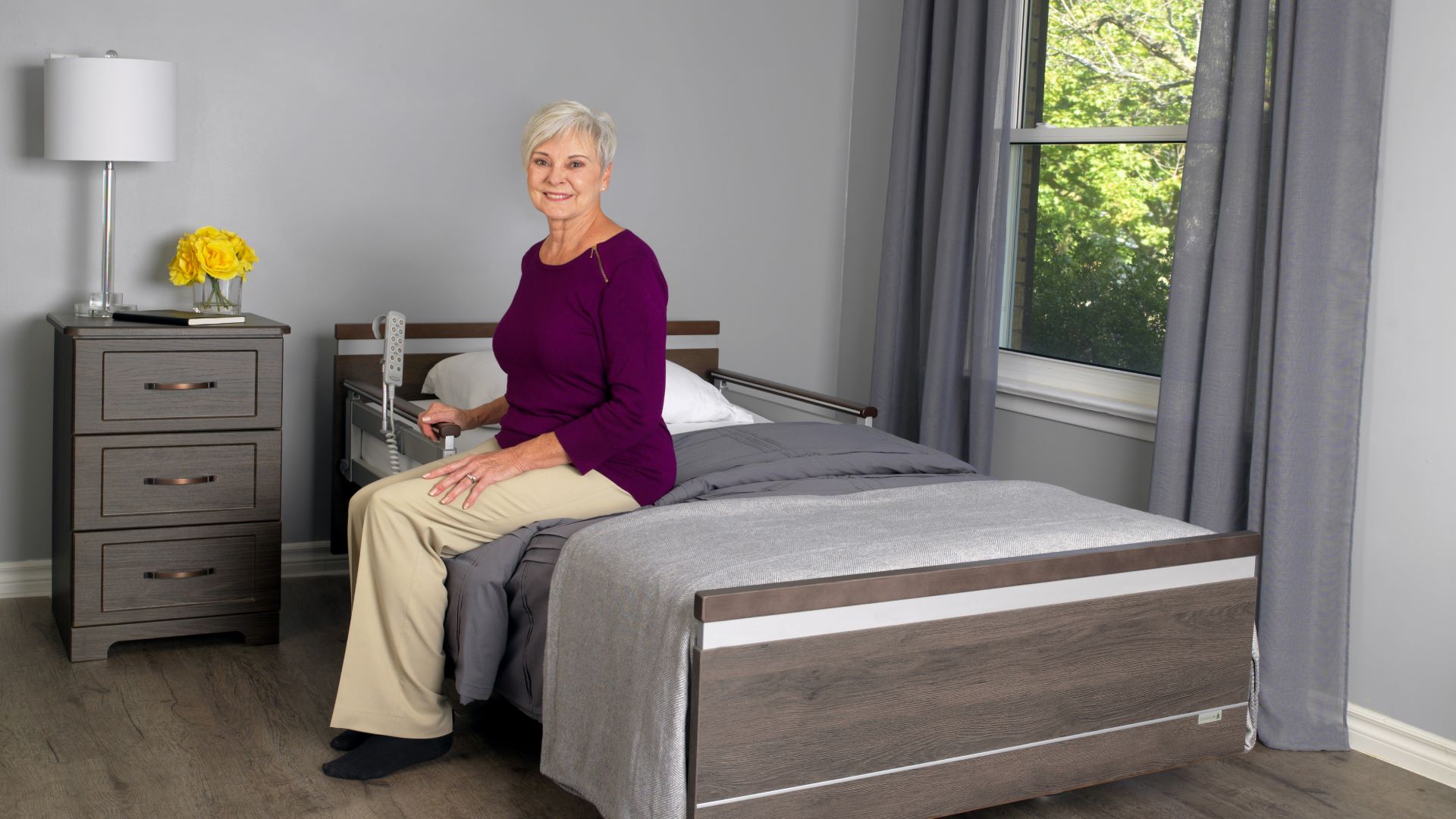
Selecting the right adjustable bed involves considering several key features that cater to the unique needs of seniors. First, a user-friendly remote control is essential, allowing for effortless adjustments without straining. Additionally, the bed should have multiple incline positions to accommodate various health conditions, such as acid reflux or sleep apnea.
Durability is vital, so a robust frame and high-quality materials are recommended. Moreover, features like massage functions and USB charging ports can enhance comfort and convenience.
Another important aspect is compatibility with different mattress types, ensuring seniors can choose their preferred level of support. Finally, a warranty and return policy provide peace of mind, allowing seniors to test the bed without long-term commitment.
What factors should seniors evaluate when choosing an adjustable bed? Seniors should assess the various types of adjustable beds available, each designed for specific needs. The most common types include basic models, which offer simple head and foot elevation, and more advanced options with features like massage functions and programmable settings.
Additionally, seniors may want to reflect on split adjustable beds, which allow couples to customize their side independently. Weight capacity and mattress compatibility are also critical factors, as seniors may require specific support for comfort and health.
Finally, ease of use, including remote controls and mobility options, should be assessed to guarantee a seamless experience. These considerations can help seniors choose the right adjustable bed tailored to their individual needs.
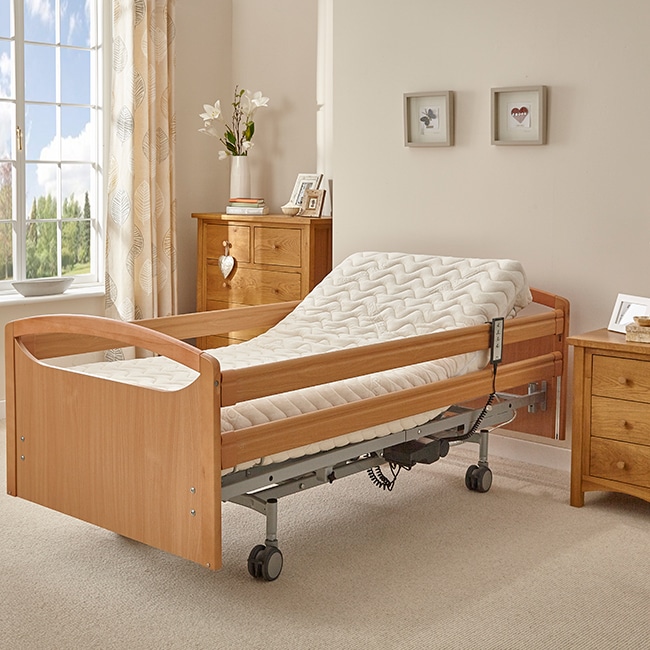
When considering an adjustable bed, budget plays a significant role in the decision-making process. Seniors and their families must evaluate their financial resources to guarantee they select a model that meets both needs and affordability.
Adjustable beds can vary widely in price, from basic models to more advanced options with features like massage settings or smart technology. Potential buyers should set a clear budget, considering additional costs such as delivery and setup.
Researching different brands and reading customer reviews can help identify the best value within a specific price range. It's crucial to balance quality and affordability, guaranteeing that the chosen adjustable bed offers necessary support and comfort without straining financial limits.
To guarantee maximum comfort and functionality, setting up an adjustable bed requires careful attention to its features and the individual needs of the user. First, make sure the bed is placed on a flat surface for stability. Familiarize oneself with the remote control, noting preset positions that cater to specific activities such as reading or sleeping.
Adjust the head and foot sections gradually, allowing the user to find their preferred angle. Additionally, consider the use of supportive pillows to enhance comfort. It is important to keep the adjustable bed free from obstructions to prevent damage and guarantee safety.
Regularly check the bed's mechanisms and features to maintain peak performance, ensuring a comfortable sleep experience tailored to the user's specific requirements.

Adjustable beds can positively affect mattress lifespan by reducing wear and tear. Their ability to change positions minimizes pressure points, allowing the mattress to maintain its shape and integrity longer. Additionally, the flexibility of adjustable bases can prevent sagging, as the mattress does not remain in a fixed position. However, the compatibility of the mattress with the adjustable frame is essential, as certain materials may wear out more quickly under constant adjustments.
Adjustable beds can greatly impact existing bed frames. Many traditional frames are not designed to accommodate the movement and mechanics of adjustable bases, potentially leading to instability or damage. Some frames may require modification or replacement to support the adjustable functionality safely. Additionally, users should verify that the dimensions of the adjustable bed align with their current frame to achieve proper fit and support, enhancing overall comfort and usability during sleep.
Adjustable beds are not universally compatible with all mattress types. Memory foam and latex mattresses typically work well due to their flexibility and ability to contour. However, innerspring mattresses may not perform at their best, as their rigid structure can hinder the bed's adjustability. Additionally, hybrid models can vary in compatibility based on their construction. It is advisable for consumers to verify compatibility with specific adjustable bed models before making a purchase.